
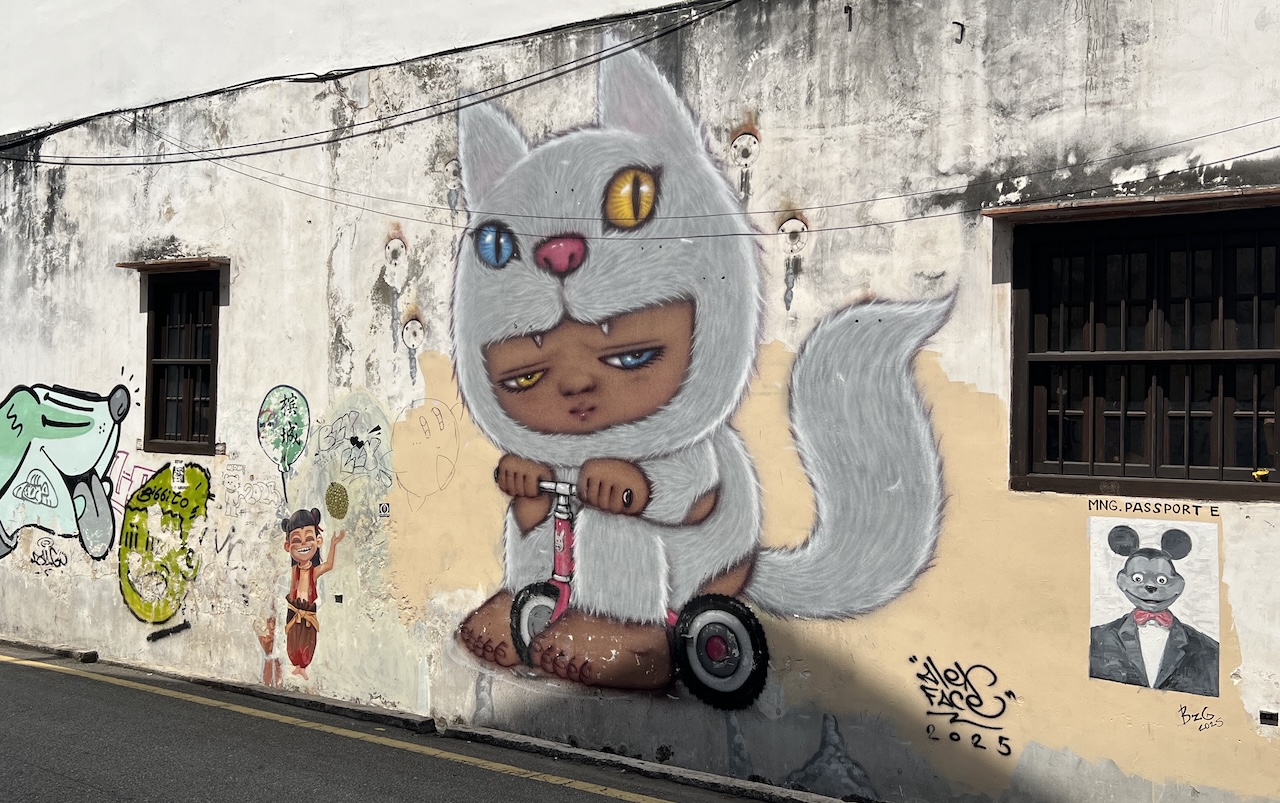
George Town in Penang is best known for its Instagram-friendly street art and legendary hawker fare. But linger a little longer and you’ll find that this UNESCO World Heritage Site is very much a place where culture, tradition and heritage continue to unfold in everyday life.
This is a district where centuries-old clan temples still host ancestral rites, where family-run shops keep traditional trades alive and where art forms such as Teochew opera and hand-puppet theatre exist not as performances for tourists, but as cherished community rituals. Chinese, Malay, Indian and Peranakan influences overlap with an easy familiarity, shaping a layered mix of architecture, beliefs and flavours that feels lived-in rather than curated.
Here are five ways to experience the living culture of George Town.
1. Delve into clan culture at Khoo Kongsi
In Penang, clan houses are not relics frozen in time. These were started several hundred years ago by southern Chinese settlers and functioned as mutual-aid societies and community spaces, anchoring new arrivals to kinship networks while they were far from home.
Today, many of them remain active social and spiritual centres, maintained by descendants of the Chinese immigrants who moved here several hundred years ago. Many clansmen still gather for festivals, celebrations, ancestral rites and community affairs like scholarship ceremonies. There are about five major clan houses in George Town with many smaller ones and some of them are open to the public (admission fees are applicable).

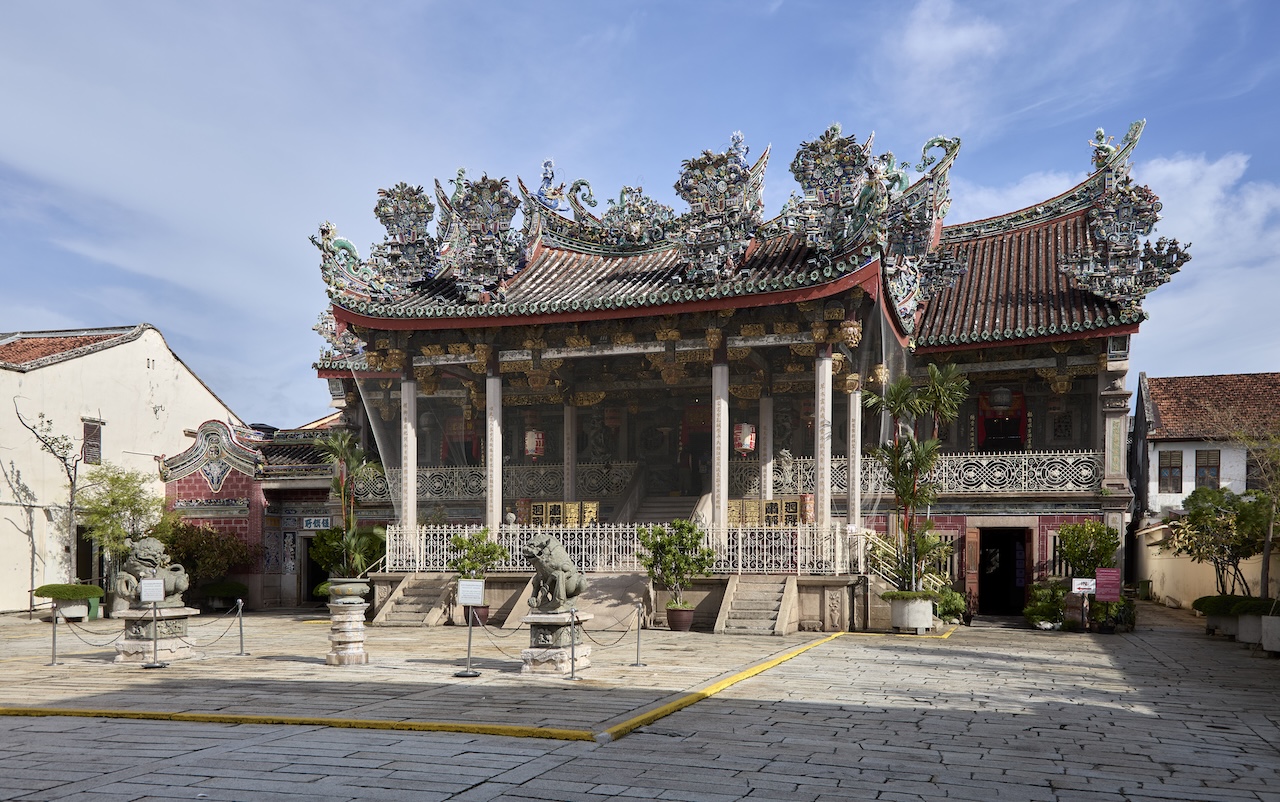
Khoo Kongsi (18 Cannon Square) is arguably one of the grandest, with a magnificent temple and opera stage tucked within the shophouse district of Cannon Street. The temple was rebuilt in 1902 after a fire and features an exuberant display of Southern Chinese craftsmanship, with intricate wood and stone carvings, wall murals, stone lions and roof ridges dense with symbolic figures.
Just around the corner is Cheah Kongsi (8 Lebuh Armenian), which features a unique architectural blend of Chinese, Straits and post-Independence styles, making it a truly one-of-a-kind building.
2. Learn about traditional performing arts at Teochew Puppet and Opera House
In George Town, you can quite literally wander into a full-blown opera performance mid-stroll — which is how I ended up lingering at a makeshift stage for half an hour after dinner, transfixed by the ornate costumes and face paint, stylised gestures and sky-high falsetto vocals cutting through the night air.

For deeper context, visit the Teochew Puppet and Opera House (12 Lebuh Armenian), the only venue in Malaysia devoted entirely to Teochew operatic culture. Best known for its iron-rod puppetry, among Asia’s most intricate and expressive theatre forms, the space also houses a Teochew opera school and stages performances during special occasions. Run by a multigenerational family troupe and led today by fourth-generation opera performer Ling Goh, it offers a rare look at how a living art form continues to evolve with the times.
3. Explore the finer points of Peranakan heritage
Peranakan or Straits Chinese culture arose from the intermarriage of early Chinese settlers with local communities, creating a unique blend of language, dress, cuisine and customs. The Pinang Peranakan Mansion (29 Church Street) recreates the opulent lifestyle of a wealthy Baba from a century ago, displaying over 1,000 antiques and collectibles. Housed in a restored, 19th-century Chinese courtyard house, the mansion is a classic example of the eclectic architecture typical of that era, from carved-wood panels and English floor tiles to Scottish ironworks.
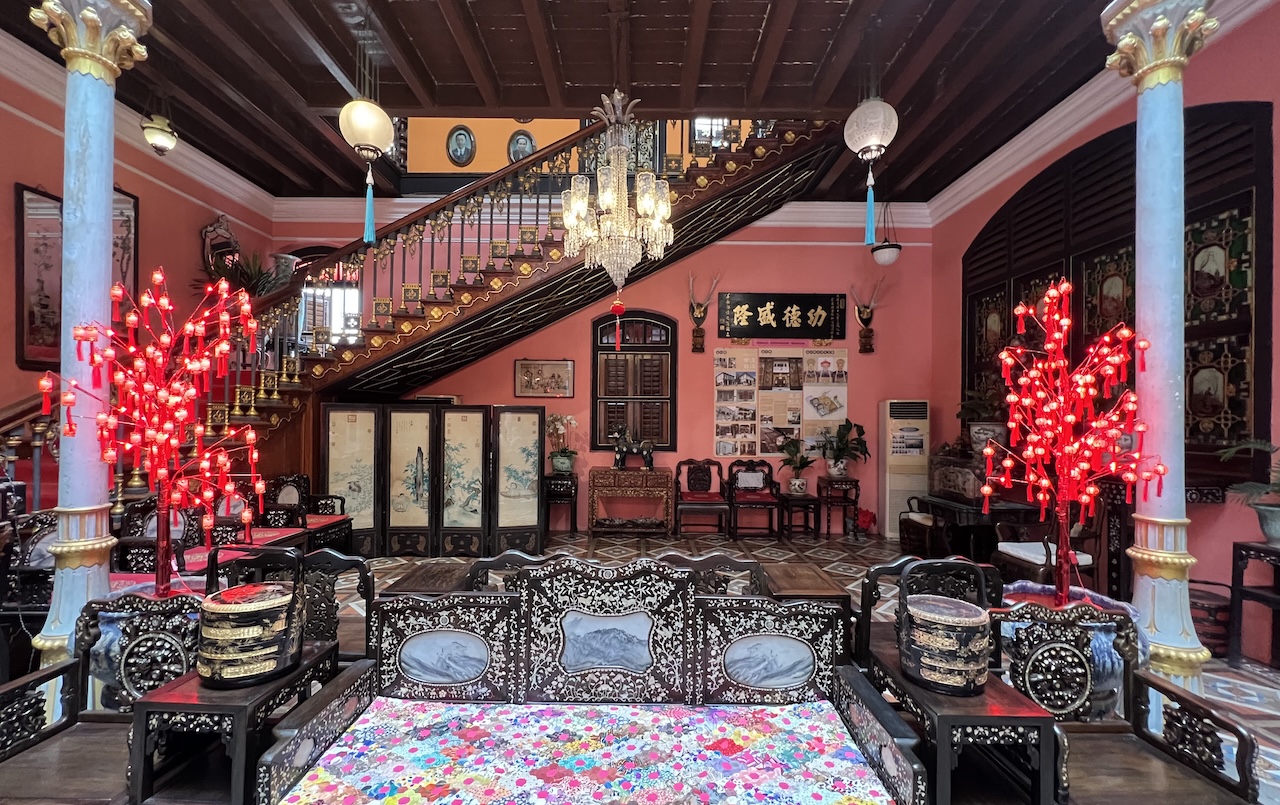
Rooms are furnished with period pieces, including a formal dining room, a lavish bridal chamber, and an opium-smoking hall, all adorned with European art, Ming porcelain, fine china and other decorative treasures, evoking the atmosphere of Peranakan life in the past. Fun fact: The mansion was a filming set for the 2008 Singaporean drama series The Little Nyonya.
4. Experience life in a shophouse at Soori Penang
There’s no better way to soak it all in than by staying at the heart of the action smack in the middle of George Town. The newest address to know is Soori Penang (48 Lebuh Aceh), a luxury boutique hotel set within 15 meticulously restored heritage shophouses, offering one- to three-bedroom suites. Where many boutique stays here lean heavily on vintage charm, Soori takes a different tack, reimagining traditional shophouse living through a refined, contemporary lens.
Designed by Soo K. Chan of Singapore’s SCDA Architects, who was born and raised in these very shophouses, the hotel offers a thoughtful reinterpretation of local architecture. A restrained palette of wood, granite and travertine sets a quietly elegant tone, while hallmark shophouse elements such as central stairwells draw natural light into inner courtyards anchored by a reflective pool. The effect is deliberately unhurried, creating space for pause and contemplation in this historic town.
5. Discover the religious diversity of George Town’s places of worship
The multicultural and religious diversity of George Town is best experienced in person, where a remarkable range of places of worship sit just a stone’s throw from one another. Among the most compelling are the Thai and Burmese Buddhist temples across the road from each other, marking the arrival of these communities in Malaya in the 19th century.
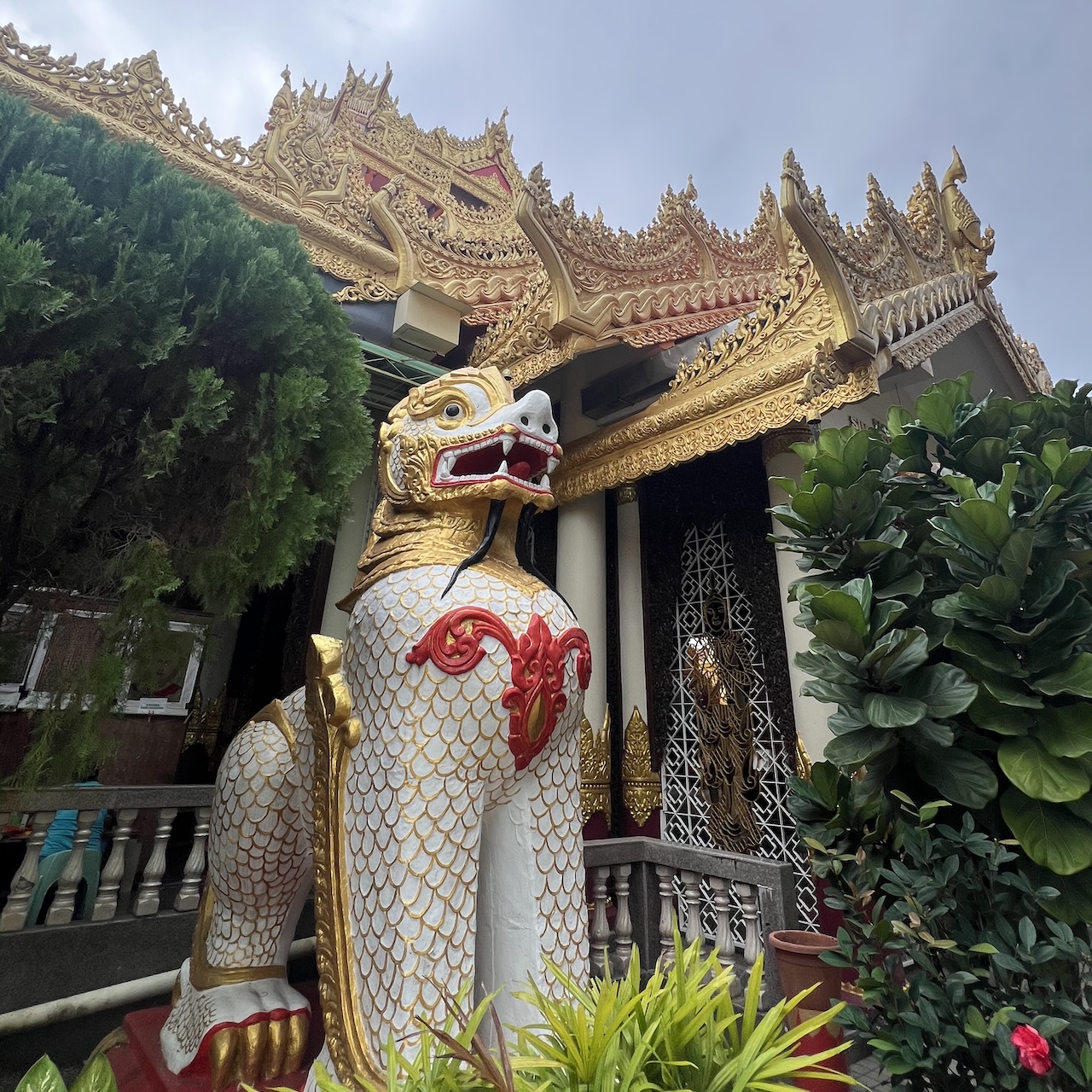
Wat Chayamangkalaram (110350 George Town) is home to one of the world’s largest reclining Buddhas, while the richly gilded Dhammikarama Burmese Temple (10250 Lorong Burma) is distinguished by its ornate stupas and intricate wood carvings. Both remain active centres for meditation, worship and religious festivals.
Nearby, the vividly ornamented Sri Mahamariamman Temple on Queen Street, Penang’s oldest Hindu temple, anchors Little India with daily rituals. It is also the starting point for the annual Thaipusam procession, when devotees carry kavadis adorned with body and facial piercings as acts of devotion. Because it often coincides with Chinese New Year, it is not uncommon to see Chinese devotees participating by offering prayers and offerings along the procession route.
Kapitan Keling Mosque (14 Lebuh Buckingham) is another familiar landmark with its gleaming domes and minarets. The call to prayer, heard at intervals through the day, carries atmospherically through the neighbourhood, anchoring the pace of daily life for anyone within earshot.
For more information on Singapore Airlines’ flights to Penang, visit singaporeair.com.