
Hangzhou has always been an unforgettable city. In the 13th century, the legendary explorer Marco Polo was so captivated by what he saw that he called it “the finest and most splendid city in the world”. The Chinese city rose to prominence as the capital of the Southern Song dynasty, transforming Hangzhou into a thriving hub of trade, art, and scholarship.
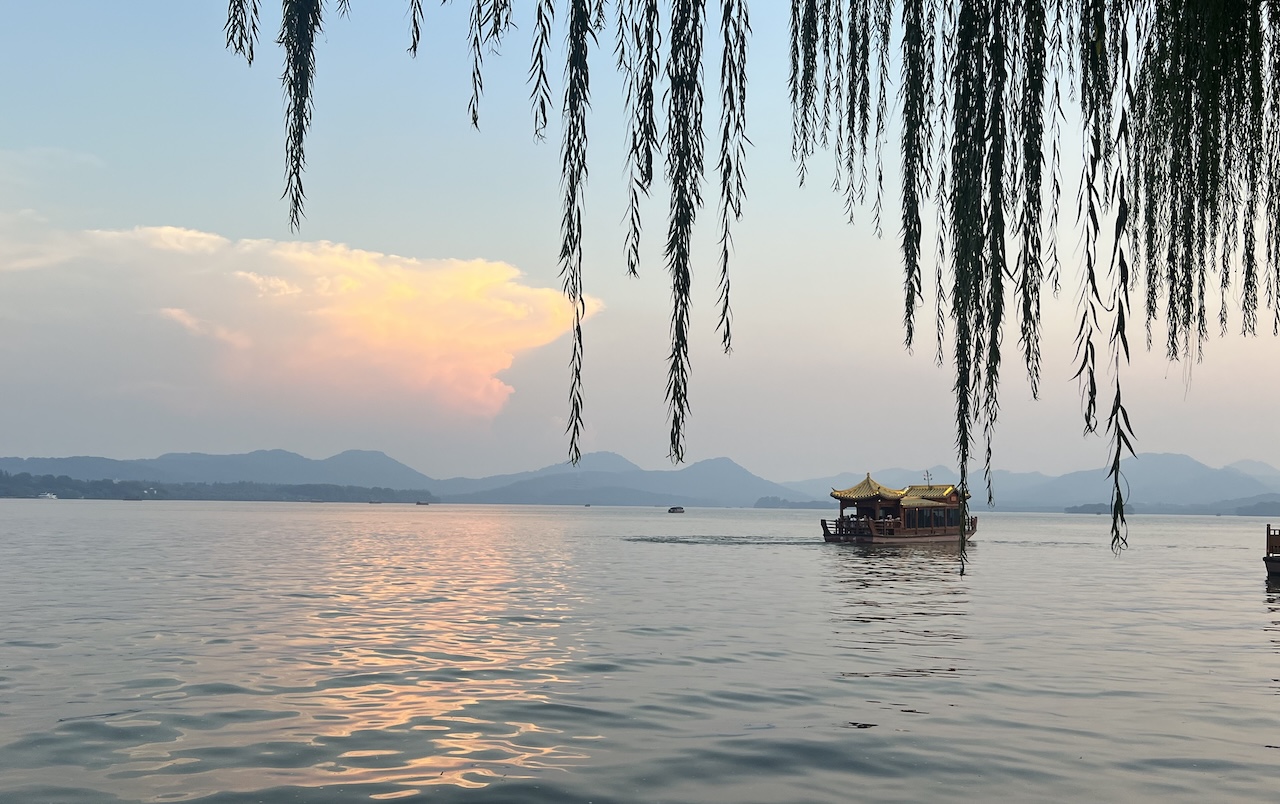
It’s easy to see how commerce and intellectual life have flourished; the serene West Lake has long inspired poets, painters and garden designers for centuries. And just beyond the lake, the misty rolling hills of the Longjing tea plantations are where some of China’s most prized tea continues to be produced.
Yet the city is far from frozen in time. Modern Hangzhou pulses with innovation as a hub for technology and entrepreneurship. Home to Alibaba’s sprawling campus, it is known as the e-commerce capital of China. It is also a rising hub for artificial intelligence and robotics companies, housing a new wave of buzzy start-ups like DeepSeek, Unitree Robotics, and Game Science.
From tranquil lakes and historic tea terraces to centuries-old artistic practices and cutting-edge tech, experience these three different facets of the city’s enduring charm.
The natural beauty of West Lake and tea plantations
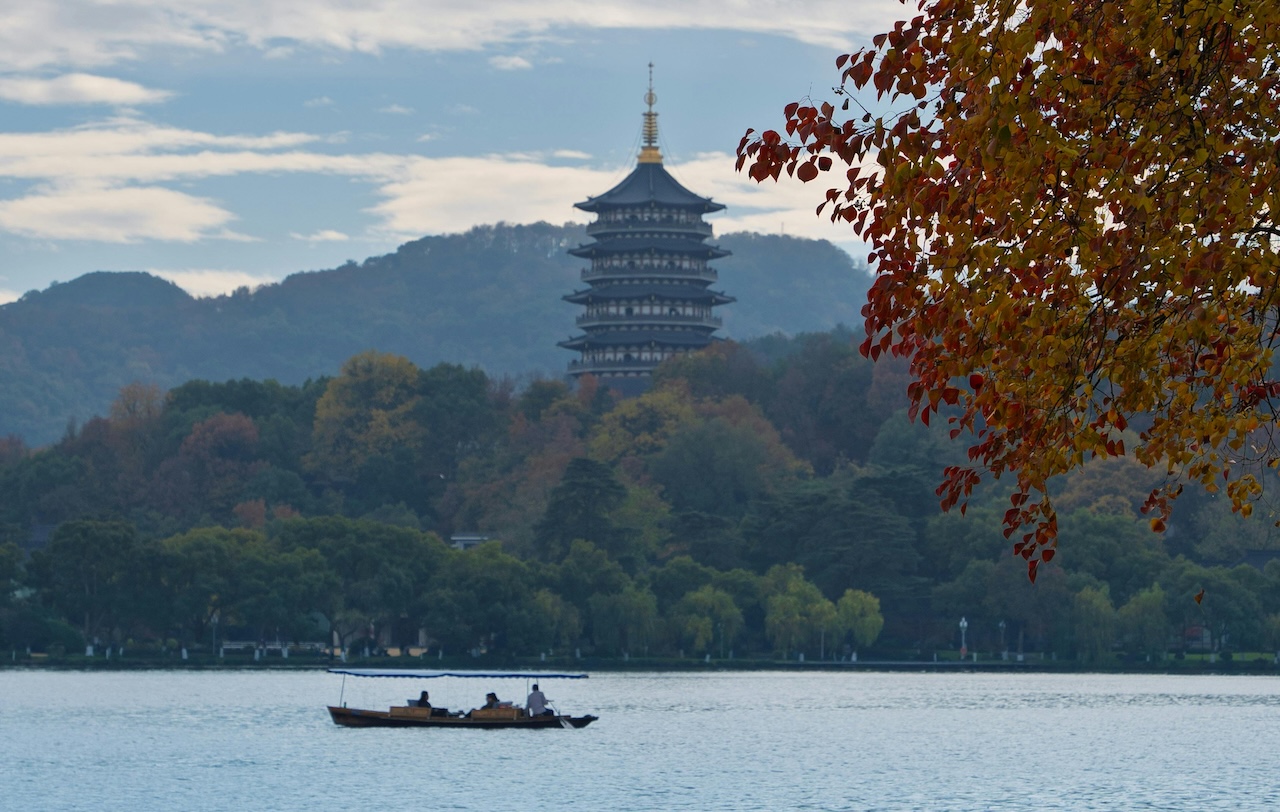
No visit to Hangzhou is complete without immersing in the natural beauty that has defined its landscape: the serene waters of West Lake and the tea-scented hills of Longjing. The UNESCO-listed lake’s picturesque promenades, elegant stone bridges and lakeside pavilions unfold like scenes from classical Chinese paintings and invite leisurely exploration on foot or by boat.
You could circle the lake’s roughly 15km perimeter by foot on a gentle four- to five-hour walk that reveals shifting views of pagodas, gardens and lotus-filled inlets. For a different perspective, hop on a traditional wooden boat to glide across the lake’s mirror-like surface. Along the shores, it is common to see locals dressed in flowing hanfu robes, posing for photographs at scenic spots such as the Broken Bridge or along the tree-shaded Su Causeway.
By night, the lake becomes the enchanting backdrop for Enduring Memories of Hangzhou, an open-air light and music performance directed by Zhang Yimou which creates a dreamlike spectacle that draws on the region’s artistic traditions.
To enjoy the lake in a more private setting, check into Four Seasons Hangzhou at West Lake, which is situated on 17 acres of landscaped gardens right by the West Lake, with direct access to the water via a private dock. Designed in the style of traditional Jiangnan residences, its quiet courtyards and lily ponds blend seamlessly into this atmospheric landscape. The hotel can even arrange for a private local breakfast cruise on a traditional boat – a peaceful way to experience the lake’s misty landscape. Nearby, the recently opened Silk Lakehouse, Shangri-La, marks the debut of the group’s ultra-luxury Signatures brand, offering a contemporary counterpoint to the area’s historic charm.
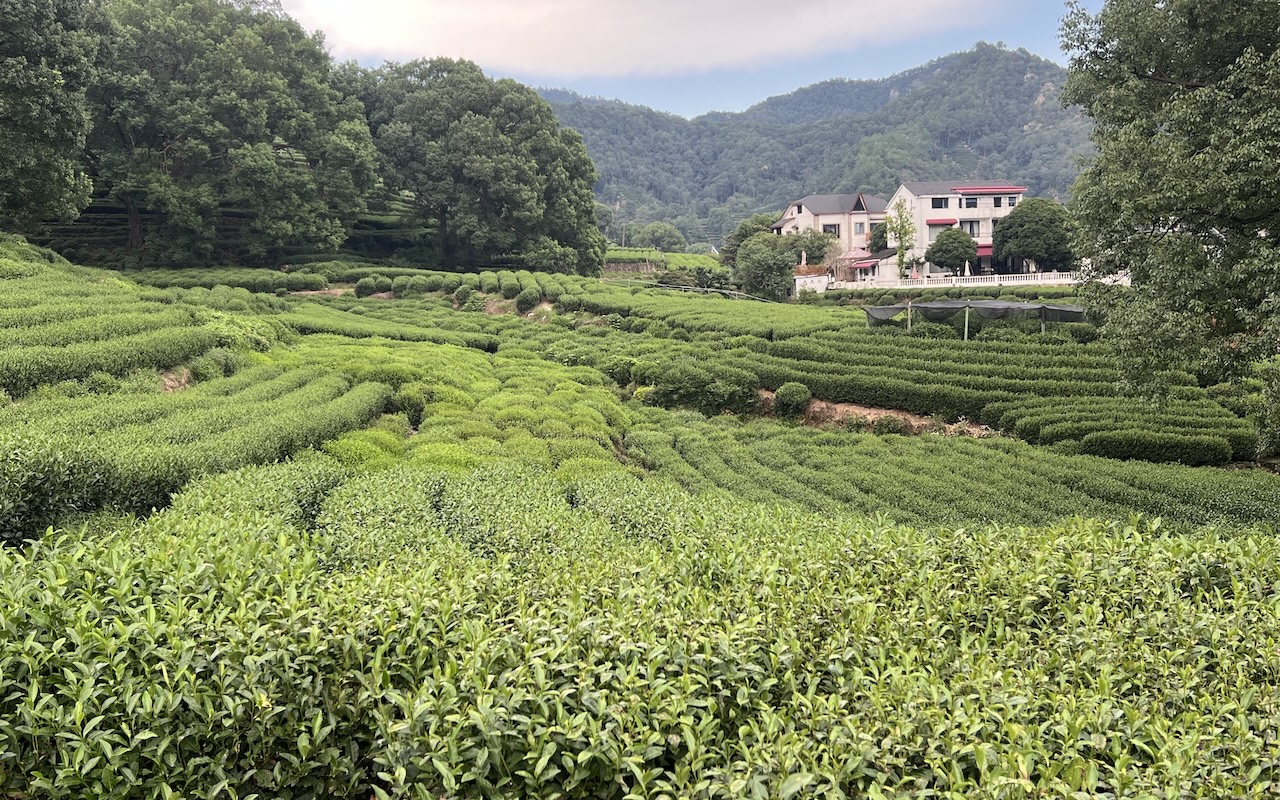
Just 30 minutes by car, the rolling terraced tea plantations on the hills of Longjing are a popular half-day trip from the city. Best visited in early spring in February to March, during the tea harvest, the terraces fill with pickers gathering the season’s first tender leaves. At some tea houses or local farms, visitors can wander through the plantations or even try their hand at picking and pan-roasting the famed green tea themselves. Drop by a village teahouse to savour a fresh brew – there’s no better way to learn more about one of China’s most celebrated traditions.
The marvels of Song Dynasty elegance
During the Southern Song dynasty (1127–1279), Hangzhou rose to prominence as the imperial capital after the court retreated south from northern China. The city quickly developed into one of the world’s most sophisticated urban centres, where commerce thrived alongside scholarship and artistic refinement. Its prosperity was closely tied to the Grand Canal, the vast waterway linking Hangzhou to northern cities including Beijing, enabling a flourishing exchange of goods, ideas, and culture.
To explore this legacy, begin at the China National Silk Museum, the largest institution in the world dedicated to silk. Hangzhou has long been synonymous with this prized fabric and the museum traces its history through exquisitely preserved textiles, ancient weaving tools, and imperial garments that reveal the remarkable craftsmanship behind China’s silk traditions. The Zhejiang Provincial Museum offers further insight into the intellectual life of the era, with collections of ceramics, calligraphy, and paintings that reflect the aesthetic ideals cultivated during the Song dynasty.
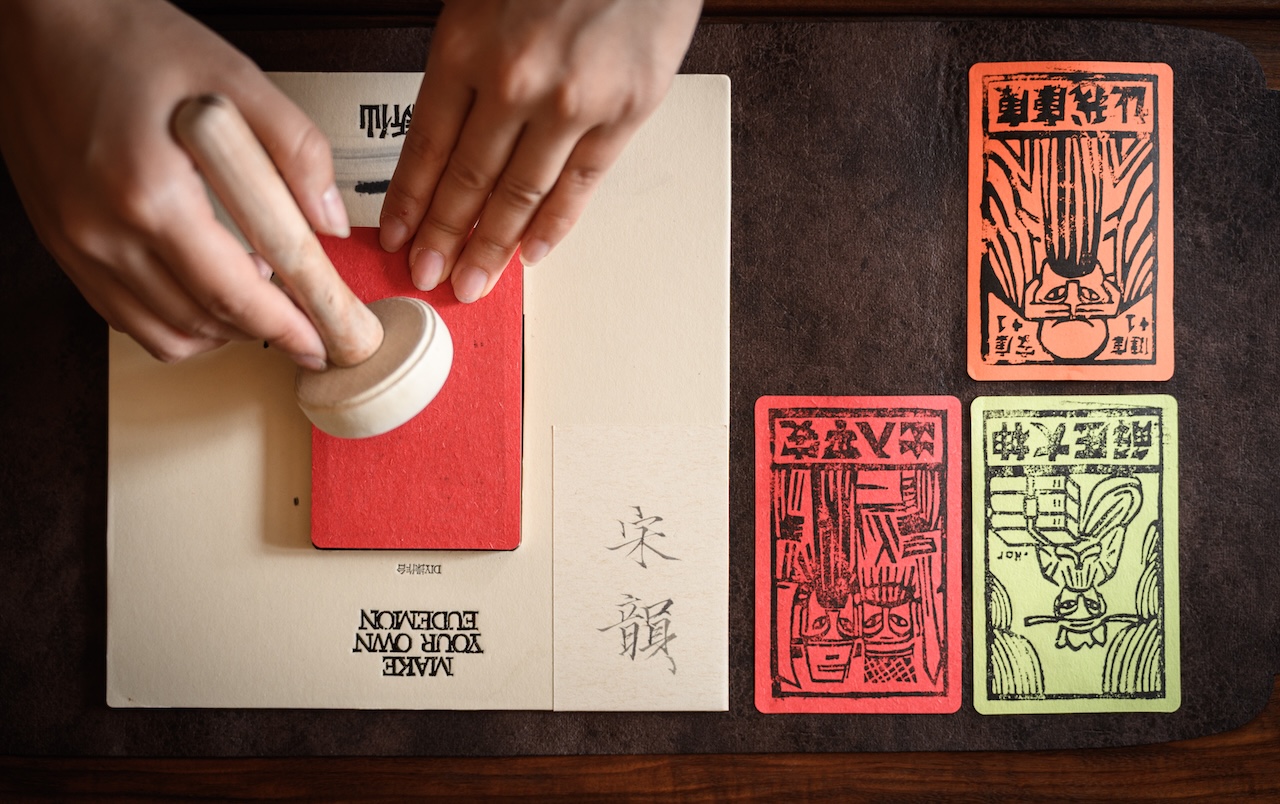
For more tactile encounters, venture to Qiaoxi district along the canal, where restored warehouses now house various art museums and galleries. The Workmanship Demonstration Pavilion offers workshops on traditional crafts such as bamboo weaving or umbrella painting. At Four Seasons Hangzhou at West Lake, guests can also participate in cultural experiences like woodblock printing or tea whisking sessions.
Gastronomy flourished in Hangzhou during the Song dynasty, when teahouses and restaurants became central to urban social life. Savour this culinary heritage at the one-Michelin-starred and Black Pearl three-diamond restaurant Jin Sha, where senior executive Chinese chef Wang Yong presents elegant Jiangsu-Zhejiang cuisine using seasonal local ingredients paired with an extensive tea list, premium wines, and traditional Chinese yellow wine (huangjiu).
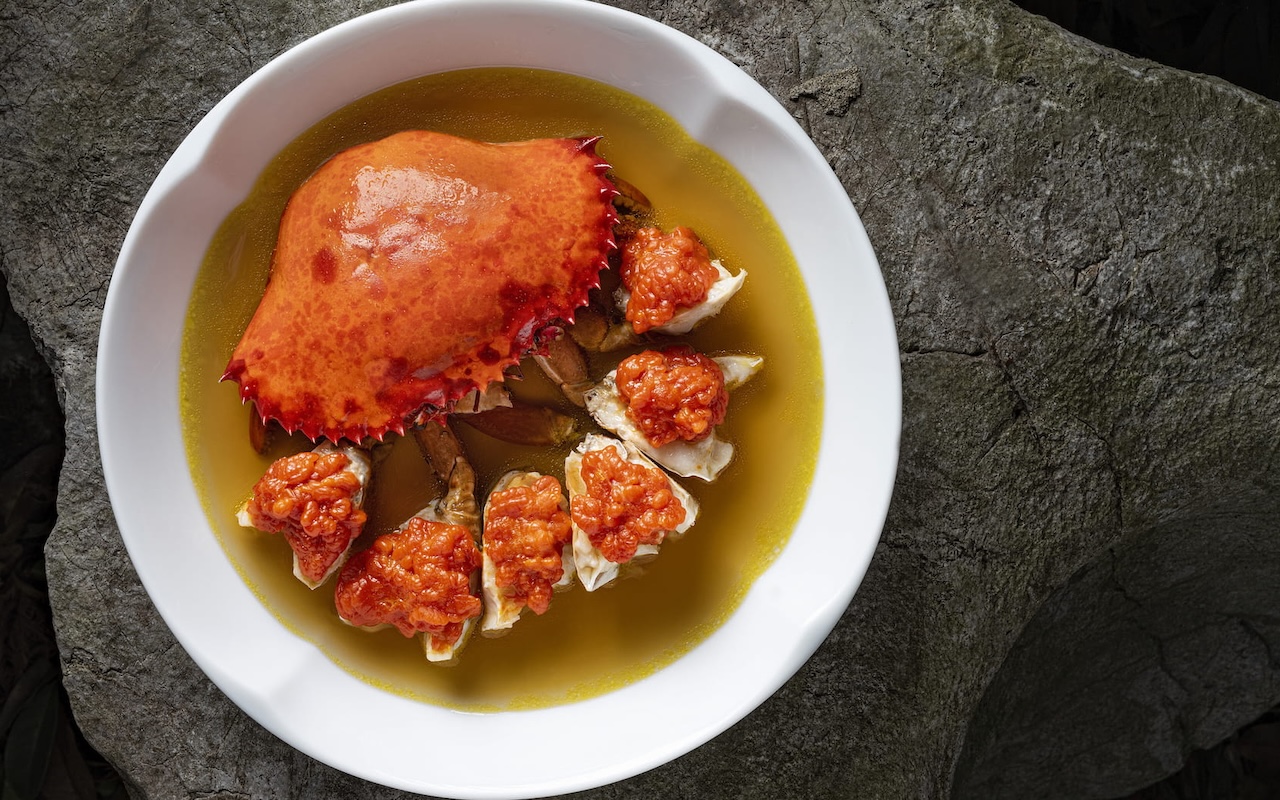
For a taste of tradition, the historic Lou Wai Lou remains one of Hangzhou enduring culinary institution. Overlooking West Lake, the 178-year-old restaurant’s regional classics, including Dongpo pork, beggar’s chicken and West Lake carp, are stalwarts of Hangzhou’s culinary identity.
The buzzing centre of modern design
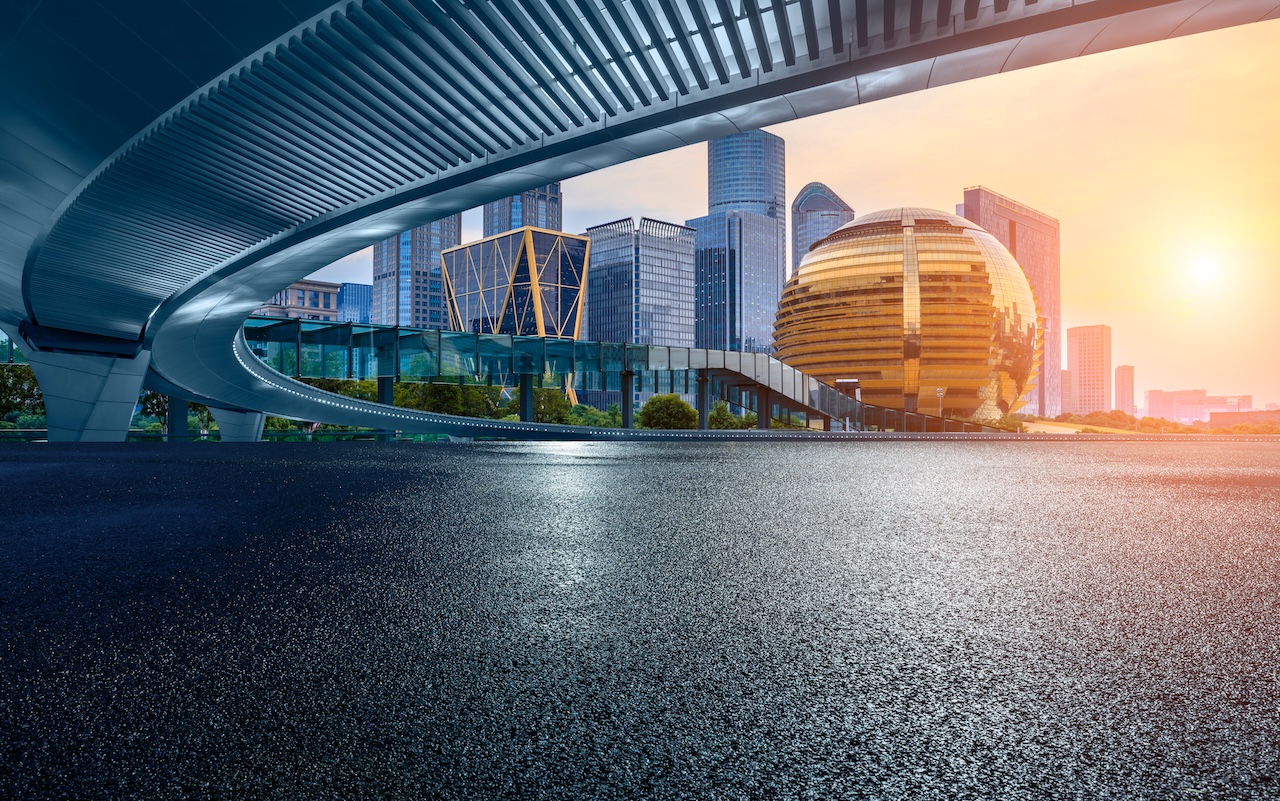
Over the past two decades, Hangzhou has transformed into one of China’s most dynamic technology hubs. This cosmopolitan sensibility is reflected in the city’s architecture, hospitality, and retail landscape. The gleaming towers of Qianjiang New City define the modern skyline, anchored by the iconic golden-domed Hangzhou International Conference Centre. Each evening, the district comes alive with large-scale light shows, where projections ripple across the surrounding skyscrapers creating a visual spectacle not to be missed.
While the retail scenes in Shanghai and Beijing often draw the most attention, Hangzhou holds its own with a strong lineup of shopping destinations. Hangzhou Tower remains the city’s long-standing luxury landmark, housing an impressive roster of international fashion houses. Nearby, Hangzhou Centre caters to a younger crowd with its mix of global brands and rising Chinese designers, including handbag label Songmont. Close to West Lake, the stylish Hubin Yintai In77 retail district combines open-air plazas with contemporary storefronts that create a lively lakeside shopping quarter.
The hospitality scene is evolving just as quickly, with the arrival of Four Seasons Hotel Hangzhou at Hangzhou Centre, which brings sleek contemporary design and elevated dining to the city’s commercial heart, and lifestyle hotel Canopy by Hilton Hangzhou. Several high-profile openings are also on the horizon, including Rosewood Hangzhou and Mandarin Oriental Hangzhou.
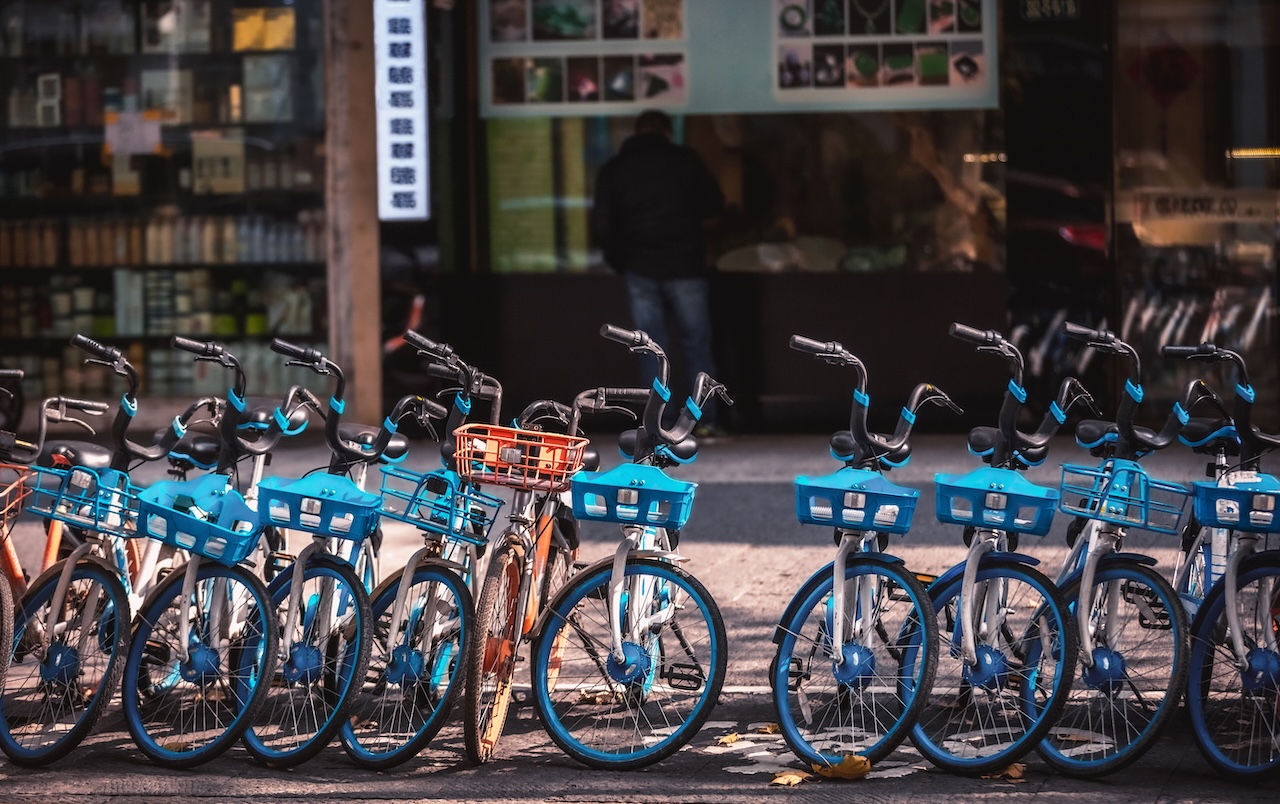
Technology, meanwhile, subtly shapes daily life. Hangzhou was one of the earliest Chinese cities to adopt large-scale bike sharing through platforms such as Alipay and Hellobike, and today it boasts one of the world’s most extensive networks. For residents and visitors alike, the bikes offer an easy way to move between neighbourhoods, office towers and lakeside promenades: a simple reminder that here, innovation works best when it quietly enhances the rhythms of daily life.
Singapore Airlines will begin flights to Hangzhou International Airport in June 2026. For more information on Singapore Airlines’ flights to Hangzhou, visit singaporeair.com.